When Should You Refinance Your Home in Tampa?

You should refinance your home in Tampa when mortgage rates drop enough to lower your monthly payments, your home equity increases, or you want to switch loan types to remove PMI or shorten your term. Local homeowners often refinance to reduce costs, consolidate debt, or tap into growing equity.

Refinancing replaces your current mortgage with a new one—ideally with better terms. Timing matters, and a smart refinance can save thousands over your loan’s life. Learn how the process works in our Mortgage Refinance guide.

What Does Refinancing Your Mortgage Mean?

Refinancing means replacing your current mortgage with a new loan—often to get better terms, a lower interest rate, or a shorter loan term. Essentially, it lets you reset your mortgage to better fit your current financial goals.

There are two main types of refinancing:

Both options are available through a local Tampa mortgage broker, like Ebenezer Mortgage Solutions, who can guide you on which choice fits your goals, current equity, and financial situation.

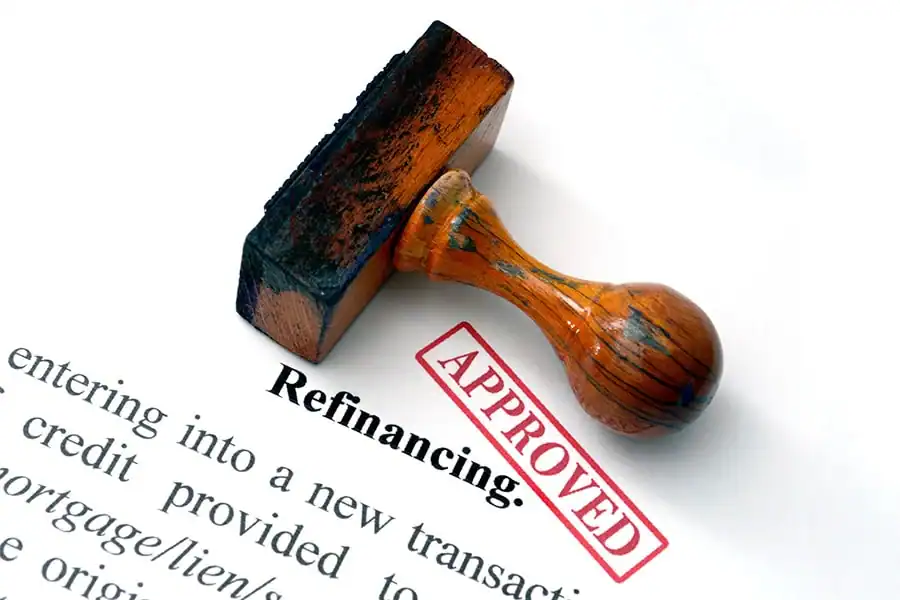
when-should-you-refinance-your-home

Top Reasons Homeowners in Tampa Refinance

1. Lower Interest Rates

Refinancing makes sense when mortgage rates drop by 1% or more. Lower rates reduce your monthly payments and can save you thousands over the life of your loan. Tampa homeowners often refinance to offset rising property taxes or insurance costs while keeping their budget manageable.

2. Build or Use Home Equity

Home market values in Tampa have been steadily rising, meaning many homeowners now have equity they can leverage. You can use this equity for a cash-out refinance or to qualify for a better loan type. Learn more about building and using equity in our What Is Home Equity and How to Build It.

3. Switch from FHA to Conventional

If you originally used an FHA (Federal Housing Administration) loan, refinancing to a conventional mortgage can remove your PMI once you reach 20% equity. This can significantly reduce monthly payments and help you gain full ownership of your home sooner. Check out our guide on How to Avoid Paying Private Mortgage Insurance.

4. Consolidate Debt or Fund Major Goals

Cash out refinancing can give you access to funds for debt payoff, home improvements, or other financial goals. Just make sure it aligns with your long-term plan. Refinancing should help you save money or build wealth, not create new financial strain.

Cash-Out vs. Rate-and-Term Refinance

Understanding the difference between cash-out and rate-and-term refinancing helps Tampa homeowners choose the best path for their financial goals. Here’s a simple comparison:

Feature Cash-Out Refinance Rate-and-Term Refinance
Purpose Access home equity for renovations or debt payoff Reduce rate or shorten loan term
Cash Back Yes No
Best For Homeowners with strong equity Borrowers seeking lower costs
Common Use Debt consolidation, upgrades Switching FHA → Conventional, lower rate

Ebenezer Mortgage Solutions can help you determine which type of refinance makes sense based on your equity, current mortgage, and financial goals.

How to Know If It’s the Right Time to Refinance

The key to a successful refinance is timing. Start by calculating your break-even point, which is the time it takes for your monthly savings to cover closing costs. If you plan to stay in your Tampa home beyond this period, refinancing could be worth it.

Other important factors to consider:

Every homeowner’s situation is different. Timing isn’t one-size-fits-all. Talk to a local mortgage expert to evaluate your options. For Tampa FHA borrowers, check out The Pros and Cons of FHA Home Loan for Borrowers in Tampa to see how refinancing might fit your plan.

If your goal is to access equity for home improvements or major expenses, a second mortgage, home equity loan, or a HELOC (Home Equity Line of Credit) can be an alternative to a cash-out refinance, offering flexibility to draw funds as needed.

Why Work With a Local Mortgage Broker in Tampa

Working with a local mortgage broker gives you a real edge when refinancing. Instead of being locked into one lender’s options, a broker compares rates across multiple mortgage lenders, handles the paperwork, and helps you choose the loan that fits your financial goals.

Here’s what you actually gain:

Local expertise matters in Tampa, and having someone who knows the market can save you from surprise fees, bad appraisals, or delays.

Want a deeper look at how refinancing works in Tampa? Explore our Tampa mortgage page for programs, rates, and local loan guidance.

Talk to a Local Tampa Mortgage Broker About Your Refinancing Options

Refinancing can help you save, pay off credit card debt, or reach your next financial goal—but timing is key. Talk with Ebenezer Mortgage Solutions, a trusted mortgage broker in Tampa, to apply for a refinance or explore your options.

📍 3638 W Cypress St, Tampa, FL 33607

📞 (813) 284-4027

Mortgage Refinance page | Contact Us page

About the Author

Yuleisy Gonzalez Alvarez – Licensed Mortgage Broker (NMLS #1912387)

Yuleisy is the founder of Ebenezer Mortgage Solutions, a trusted mortgage broker in Tampa, FL, specializing in home loans, refinancing, and real estate finance guidance for Florida buyers. With years of experience helping families secure affordable mortgages, she provides accurate, transparent advice backed by professional licensing.

Mortgage Broker vs. Loan Officer: Which One Should I Use in Tampa?

When you’re getting ready to buy a home, you’ll need someone to help you secure a home loan. That’s where most people face their first question: Should I work with a mortgage broker or a loan officer?

Both can help you get a mortgage, but the way they work—and how much flexibility they have—is very different. Understanding those differences can save you time, money, and stress during the buying process, especially here in Tampa.

Bank Loan Officer vs. Mortgage Broker: A Quick Overview

A loan officer works for one bank or credit union. They can only offer that institution’s mortgage products.

A mortgage broker, on the other hand, is independent. They partner with multiple lenders to compare rates, terms, and programs to find the best fit for you.

In short:

If you’re just beginning your search, start with our Steps to Buying a House in Tampa guide for a clear overview of what to expect.

Watch: Mortgage Broker vs. Loan Officer Explained

Key Differences at a Glance

Feature Mortgage Broker Bank Loan Officer
Access to Lenders Works with multiple lenders to find the best rate and terms Limited to one bank’s options
Flexibility Can match borrowers with unique income or credit situations Must follow one institution’s rules
Turnaround Time Often faster with local, responsive lenders Can take longer due to corporate process
Service Style Personalized, consultative support More structured, less flexibility
Local Expertise Usually based in your community May not specialize in Tampa’s market

Thinking about buying a home in Tampa?

Start with a mortgage pre-approval to see what you qualify for, or contact our team for personalized guidance.

Why Work With a Mortgage Broker?

A mortgage broker does more than match you with a lender. They walk you through every step of the home loan process, simplify the paperwork, explain your options in plain English, and help you secure the strongest terms you qualify for.

Benefits of Using a Mortgage Broker

Real-world example:

If your credit score is on the moderate side, an FHA loan may make approval easier. If you have strong credit, a Conventional loan might save you more long-term. A broker helps you choose the right path based on your actual numbers.

Mortgage-Broker-Vs.-Bank-Loan-Officer-Which-One-Should-I-Use

Why Work With a Local Mortgage Broker in Tampa

Buying in Tampa comes with unique challenges like flood zones, higher insurance premiums, and competitive neighborhoods such as Carrollwood, Westchase, and Town ‘n’ Country.

A local mortgage broker understands these conditions and how to navigate them.

Here’s what sets Tampa brokers apart:

Local expertise means faster communication, accurate advice, and a home loan built for Tampa’s market—not a generic national process.

How to Decide: Broker or Loan Officer?

Still unsure? Use this checklist:

Choose a mortgage broker if you:

Choose a loan officer if you:

Tip: Learn how long mortgage pre-approval usually takes in Tampa in our quick guide.

How to Choose the Right Mortgage Professional

The right partner can make your homebuying experience smoother and more affordable. Here’s what to look for:

If you’re comparing programs, start here:

Common Terms to Know

Term Meaning
Underwriting The lender’s review of your income, credit, and assets before approving a loan.
Loan Originator The person helping you apply for and process your loan, could be a broker or loan officer.
Closing Costs Fees paid at closing (title, appraisal, taxes, insurance).
Pre-Approval An early check of your finances that shows how much you can likely borrow.

A good mortgage broker will explain each of these terms clearly so you can make confident decisions.

Why Use a Mortgage Broker Instead of a Bank

Brokers offer more choice, less red tape, and faster service. Because they’re not tied to one institution, they can compare programs and find the right fit—whether that’s a Conventional, FHA, VA, or USDA loan.

Once you understand your loan options, the next smart move is to get pre-approved. That sets your budget before you start house hunting.

Talk With a Local Mortgage Expert in Tampa

Ebenezer Mortgage Solutions is a veteran local mortgage broker in Tampa. We provide trusted guidance and access to top lenders across Florida.

We can help you:

📍 Office: 3638 W Cypress St, Tampa, FL 33607

📞 Phone: (813) 284-4027

Get pre-approved online or contact us to speak with a local mortgage expert.

About the Author

Yuleisy Gonzalez Alvarez – Licensed Mortgage Broker (NMLS #1912387)

Yuleisy is the founder of Ebenezer Mortgage Solutions, a trusted mortgage broker in Tampa, FL, specializing in home loans, refinancing, and real estate finance guidance for Florida buyers. With years of experience helping families secure affordable mortgages, she provides accurate, transparent advice backed by professional licensing.

Who Qualifies for Down Payment Assistance in Tampa?

To qualify for down payment assistance in Tampa, you generally need to meet income limits based on the Area Median Income (AMI), have a credit score of 600–640 or higher, and plan to live in the home as your primary residence. Most programs also require a small personal investment and completion of a HUD-approved homebuyer education course. Assistance is typically offered as a grant, forgivable loan, or deferred second mortgage.

Several down payment assistance (DPA) programs are available to help make homeownership more attainable for Tampa buyers. In this post, we’ll explain general eligibility rules, cover key local and state programs, and help you figure out if you qualify.

Down Payment Assistance Programs in Florida: What’s Available in Tampa?

Tampa homebuyers have access to a variety of down payment assistance programs at the city, county, and state levels. These include:

Each program has its own eligibility criteria, but most are aimed at first-time homebuyers with limited to moderate incomes.

First-Time Home Buyer Florida Income Requirements

Most DPA programs in Tampa base eligibility on household income. Generally, your income must fall below a certain percentage of the Area Median Income (AMI). Area Median Income (AMI) is the midpoint of a region’s income levels—half the households earn more, and half earn less. Many programs use a percentage of AMI to determine eligibility. For example, if the AMI in Tampa is $80,000, then a program capped at 140% AMI would allow households earning up to $112,000 to qualify.

To find the current AMI for Hillsborough County, visit the U.S. Department of Housing and Urban Development (HUD) website or speak with a local housing counselor.

For example, a household of four might need to earn below $100,000 annually to qualify, depending on the program.

Credit Score Requirements for Florida Down Payment Assistance

Credit score requirements vary by program but generally fall in the range of:

Lenders use your credit score to measure financial reliability and determine loan eligibility. If your score is below the minimum requirement, working with a credit counselor or mortgage broker can help you build it up before applying.

Maintaining a solid credit score will improve your chances of qualifying and may also help secure better loan terms. For tips on improving your score, read our guide to improving your credit score for buying a house.

Florida Assist Loan Program: Who Qualifies in Tampa?

The Florida Assist program offers up to $10,000 in down payment and closing cost assistance. It's structured as a deferred second mortgage, which means you don’t make monthly payments on the assistance loan right away. Instead, repayment is postponed until you sell, refinance, or pay off your primary mortgage—giving you financial breathing room up front.

Eligibility Criteria:

This program is available to Tampa residents purchasing a primary residence. It's ideal for buyers who need help covering upfront costs and want flexibility in repayment.

For a broader look at DPA statewide, compare Florida Assist to other options for down payment assistance in Tampa.

First-Time Home Buyer Florida: No Down Payment Options

Some government-backed loans—like USDA and VA loans—offer true zero-down financing for qualified buyers. While not technically DPA programs, they help reduce upfront costs and are worth considering.

A sign with the words

Closing Cost Assistance Florida: Who Qualifies in Tampa?

Some down payment assistance programs also help with closing costs. For example, programs like Florida Assist and CRA may allow funds to be used toward closing costs in addition to down payments

Eligibility typically mirrors DPA qualifications—based on income, credit score, and buyer status. Closing costs often include loan origination fees, appraisal fees, title insurance, and prepaid taxes or insurance.

Additional Requirements for Down Payment Assistance in Florida

Most programs require you to live in the home as your primary residence, complete a HUD-approved education course, and be a first-time homebuyer—usually defined as someone who hasn’t owned a home in the past three years. Some may also require a small personal investment.

15K Down Payment Assistance Florida: What’s Available in Tampa?

Programs like Hillsborough County’s Home Sweet Home can provide up to $15,000 in support. These funds are typically available as a second mortgage or forgivable loan and must be used toward the purchase of a primary residence. Eligibility is based on income, credit score, and buyer status.

Tampa DPA Program Comparison Table

Program Name Max Assistance Income Limit Credit Score Key Requirements
DARE (City of Tampa) Varies Up to 140% of AMI Not specified $2,000 investment; $1,000 from own funds; must buy within city
CRA (City of Tampa) Varies 50%–140% of AMI Not specified $1,000 investment; property must be in CRA boundary
Home Sweet Home (Hillsborough) Up to $15,000 County income limits Not specified First-time buyer; second mortgage
HFA Down Payment Assistance Up to $15,000 County income limits 640+ Forgivable after 5 years
Florida Assist Up to $10,000 Program limits vary 640+ Deferred second mortgage; homebuyer education required
Hometown Heroes Varies Based on occupation & AMI Not specified First-time buyer; must buy in community where they work

Work with a Local Expert

Navigating these programs and their eligibility requirements can be complex. That’s where Ebenezer Mortgage Solutions comes in. Our team specializes in helping Tampa homebuyers determine which down payment assistance programs they qualify for—and guiding them through the entire application process.

We’ll help you:

Take the First Step Today

Buying a home in Tampa is within reach with the right support and programs. Whether you're a first-time buyer or a qualified repeat buyer, down payment assistance in Tampa can ease the financial burden and open the door to homeownership.

Once you qualify, your next move is applying for a mortgage—read our guide on how to apply for a mortgage in 4 simple steps.

📞 Call Ebenezer Mortgage Solutions at (813) 284-4027

📍 3638 W Cypress St Tampa, FL 33607

Top 10 Cheapest Places to Live in Florida in 2024

Florida, known for its sunshine and vibrant lifestyle, offers numerous affordable options for those looking to buy a home. Whether seeking a quiet coastal town or a bustling city with cultural amenities, Florida has something for everyone. It's no longer just about the views. The cost of living and housing costs, whether renting or buying, also significantly impact decision-making. In this article, we highlight the 10 cheapest cities to live in Florida that provide a balanced mix of low cost of living, reasonable home prices, good job markets, and quality of life amenities.

Criteria for Affordability

This list explores the best places to live in Florida, each offering a lower cost of living than the national average. This means median household incomes align with median home prices, making these locations financially accessible for many. With the added benefit of no state income tax, Florida provides appealing options for those seeking affordability without sacrificing quality of life.

To determine the affordability of these Florida cities, several factors were considered:

For a personalized calculation of cost of living expenses, you can use this cost of living calculator.

Top 10 Most Affordable Places to Live in Florida in 2024

1. Dade City

Dade City, located inland in Pasco County and just north of Tampa, is one of the most affordable cities in Florida. It combines small-town charm with proximity to major metropolitan areas like Tampa and Orlando. Known for its historic downtown and picturesque landscapes, Dade City offers a tranquil environment ideal for families and retirees alike.

2. Bartow

Bartow, situated in Polk County, offers a blend of small-town hospitality with modern amenities, making it attractive for families seeking a relaxed lifestyle, all at roughly 11% below the average cost of living in Florida.

3. Melbourne

Melbourne, located on Florida's Space Coast in Brevard County, offers a blend of high-tech industries and coastal living. Its beautiful beaches, cultural attractions, and strong community ties attract residents.

4. Kissimmee

Kissimmee, located in Osceola County near Orlando, is renowned for its proximity to world-famous theme parks and recreational opportunities. It blends tourism with a family-friendly community atmosphere.

5. Jacksonville

Jacksonville, the largest city in Florida, offers diverse neighborhoods and amenities. It combines urban sophistication with natural beauty and outdoor recreation.

6. Gainesville

Gainesville, home to the University of Florida and Santa Fe College, offers a dynamic blend of educational opportunities, natural beauty, and cultural amenities.

7. Dunedin

Dunedin, located in Pinellas County, is celebrated for its Scottish heritage and quaint downtown area. It offers a blend of historic charm, recreational opportunities, and a strong sense of community.

8. Cape Coral

Cape Coral, known as the "Waterfront Wonderland," is located in the southwestern part of the state and is renowned for its extensive canal system, which is perfect for boating enthusiasts. It offers a relaxed coastal lifestyle with suburban comforts. With a crime rate nearly 60% lower than the national average, it's also one of the safest places to live in Florida.

9. Titusville

Titusville, situated in Brevard County on Florida's Space Coast, is strongly connected to the aerospace industry and space exploration. It blends historical significance, natural beauty, and modern amenities.

10. Winter Haven

Winter Haven, known for its chain of lakes and family-friendly attractions, including LEGOLAND Florida Resort, offers a blend of recreational opportunities and suburban comforts.

cheapest-places-to-live-in-Florida

Comparison of Top 10 Places

Here's a summary table comparing the key factors:

City COLI Median Home Price Crime Rate
Dade City 98 $266,300, ↓ 46% NA 25.2, ↓ 47% NA
Bartow 91.6 $245,600, ↓ 50% NA 22.5, ↓ 53% NA
Melbourne 95.6 $348,100, ↓ 30% NA 24.7, ↓ 48% NA
Kissimmee 101.1 $346,300, ↓ 30% NA 26.4, ↓ 45% NA
Jacksonville 95.7 $280,200, ↓ 43% NA 27.9, ↓ 42% NA
Gainesville 92.2 $271,700, ↓ 45% NA 23.8, ↓ 50% NA
Dunedin 102.8 $410,500, ↓ 17% NA 21.4, ↓ 55% NA
Cape Coral 104.2 $377,400, ↓ 24% NA 20.3, ↓ 57% NA
Titusville 95.6 $267,400, ↓ 46% NA 23.8, ↓ 50% NA
Winter Haven 91.6 $281,200, ↓ 43% NA 22.1, ↓ 54% NA

Legend

Find An Affordable House with Ebenezer Mortgage Solutions

Living in the Sunshine State can be a dream come true with its warm climate, beautiful landscapes, and affordability. Each of these affordable cities in Florida provides unique advantages, whether you're raising a family, starting a career, or enjoying retirement.

At Ebenezer Mortgage Solutions, our expertise in Florida's real estate market and personalized financial guidance ensures you secure a piece of the Florida dream that perfectly fits your lifestyle and budget. With access to an extensive network of lenders, we can match you with the best mortgage options, making your transition to affordable living seamless and stress-free.

For more information on financing your move to the best affordable places to live in Florida, contact Ebenezer Mortgage Solutions by calling (813) 284 - 4027 or visit www.ebenezermortgage.com.

What Is A Mortgagee Clause

Navigating through a real estate transaction involves understanding terms like "mortgagee clause." If you find yourself wondering what it is and why it matters, you're not alone. In this blog, we'll break down the mortgagee clause definition, how it works, and what its purposes are, as well as provide practical insights. Whether you're a first-time homebuyer or delving into property investments, this guide will help simplify the concept of mortgagee clauses.


Mortgagee Clause: Defined

A mortgagee clause, also known as a "loss payee" clause, is a fundamental component of a property insurance policy. It's a contractual provision that outlines the rights of the mortgagee, typically a lender, in situations where the insured property undergoes damage or loss.

This clause specifies key details such as the mortgagee's name, address, and the type of interest they have in the property. It essentially acts as a protective measure for the lender, ensuring that their financial interests are accounted for in the insurance agreement.

How Does A Mortgagee Clause Work?

The mortgagee clause works by establishing a tripartite relationship between the insurance provider, the property owner (mortgagor), and the lender (mortgagee). When a property is mortgaged, the mortgagees require the borrower to secure insurance coverage, protecting both parties from potential damage or loss. This insurance policy includes a mortgagee clause specifying the lender's rights and responsibilities in case of a claim. It's also important to note that most lenders would not approve your mortgage loan if you don't get a mortgagee clause included in the policy.

In the event of claims covered by the policy, the insurance payout is made jointly to the property owner and the mortgagee. This dual payee structure safeguards both parties' financial interests. The mortgagee can use the funds to recover the outstanding mortgage balance, and any remaining amount goes to the property owner.

The mortgagee clause ensures ongoing insurance coverage throughout the loan period. If the mortgagor fails to maintain insurance, the mortgagee may force-place insurance to protect their investment.

Mortgagee Vs. Mortgagor

In simple terms, the mortgagee is the entity that lends money, while the mortgagor is the individual or party borrowing the money to acquire the property. This distinction is fundamental in understanding the dynamics of a mortgage agreement, where the mortgagee's financial interest is secured by the mortgaged property.

The Purpose Of Mortgagee Clauses

The inclusion of mortgagee clauses in property insurance policies serves a crucial purpose, particularly for lenders extending mortgages. Here are key aspects that outline the purpose of mortgage clauses:

1. Protecting Lender Interest

Mortgage clauses are designed to protect the interests of lenders or mortgagees. By being named in the insurance policy, lenders ensure that their financial stake in the property is considered and protected in the event of damage or loss.

2. Ensuring Property Restoration

In case of covered perils that result in damage to the property, the mortgagee is actively involved in the insurance claims process. This involvement ensures that insurance proceeds are used for the repair or reconstruction of the property, preserving its value.

3. Securing Loan Repayment

Lenders rely on the value of the mortgaged property as collateral. Mortgagee clauses provide a layer of security, assuring lenders that the property will be maintained and, in the event of damage, restored, maintaining its collateral value.

4. Policy Notification

Mortgagee clauses often stipulate that the insurance company must notify the mortgage lender in case of policy cancellation or changes. This ensures that the lender remains informed about the status of the property's insurance coverage.

5. Transparent Communication

Including a mortgagee clause fosters transparent communication between the insurance company, the property owner, and the lender. This transparency is vital for all parties involved in the property transaction.

Components Of A Mortgagee Clause

As you delve further into the specifics of mortgagee clauses, it's crucial to get familiar with the terms that shape these agreements.

Lender Protections

Lender protection is the core of a mortgagee clause. They prevent lenders from taking the full hit for a failed loan due to property damage. If damage occurs, the mortgagee clause ensures the insurance company will pay the lender, guaranteeing funds even if borrowers are responsible for property destruction.

ISAOA (Its Successors and/or Assigns): Transferable Rights

ISAOA allows the lender to transfer their rights to another financial institution. This flexibility enables lenders to sell loans on the secondary mortgage market which is a common practice in the industry.

This component doesn't impact borrowers much. Even if a mortgage lender sells a loan, they still retain the servicing rights. A borrower will continue to make monthly mortgage payments to the mortgagee named in the policy, who manages the loan and escrow account.

ATIMA (As Their Interests May Appear): Inclusive Coverage

In tandem with ISAOA, ATIMA extends insurance coverage to other parties the mortgagee does business with. It lets the mortgagee include additional entities under the policy without explicitly naming them. This approach simplifies extending insurance coverage to various interests tied to the mortgagee's business activities, creating a flexible risk management strategy.

What-Is-A-Mortgagee-Clause

Example of a Mortgagee Clause

To illustrate how a mortgagee clause operates in a real-world scenario, let's consider a hypothetical situation:

Suppose Sarah, a homeowner, secures a mortgage loan from ABC Bank to purchase her dream home. As part of the mortgage contract, ABC Bank insists on being listed as the mortgagee in the homeowners' insurance policy. The insurance policy includes a mortgagee clause that identifies ABC Bank and outlines the terms of their interest in the insurance coverage.

Now, if an unexpected event, such as a fire, causes damage to Sarah's home, she would file a claim with her insurance company. The insurance proceeds would then be disbursed to both Sarah and ABC Bank, as outlined in the mortgagee clause. The mortgagee clause ensures that ABC Bank can actively participate in the decision-making process regarding the repair or reconstruction of the property, safeguarding its financial stake in the investment.

Can a Person Be a Mortgagee?

While mortgagees are typically financial institutions or lenders, individuals can also be mortgagees. When a person extends a private mortgage or acts as a lender in a private lending arrangement, they can be identified as the mortgagee in the mortgagee clause of the property insurance policy.

For instance, if John lends money to his friend Jane to purchase a home, and a mortgage agreement is formalized between them, the insurance policy for Jane's property may include a mortgagee clause listing John as the mortgagee. This allows John to have a direct interest in the insurance coverage and ensures that his financial stake in the property is protected.

The Bottom Line

In summary, a mortgagee clause is a provision in the homeowner's insurance policy designed to protect the interest of the mortgagee, usually a lender, if the property is damaged from events such as fire or theft. It establishes a relationship between the insurance provider, property owner, and lender, ensuring joint insurance payouts in case of covered losses.

Other than protecting lender interests, the mortgagee clause also ensures property restoration, secures loan payments, and fosters transparent communication between the insurance company, mortgagor, and mortgagee.

Find Your Mortgage Broker

Ready to secure your dream home? Contact Ebenezer Mortgage Solutions today at (813) 284 - 4027 and find your trusted mortgage broker. Our expert team is here to guide you through the mortgage process and help you find the perfect financing solution for you. Your dream home awaits—call us today!

What Does Contingent Mean In Real Estate?

Contingencies or contingency clauses in a real estate transaction refer to conditions that must be met for the sale to proceed smoothly. They act as safeguards for both buyers and sellers, outlining certain circumstances that, if not fulfilled, allow either party to back out of the deal without penalties. These conditions typically cover various aspects of the purchase, such as inspections, financing, appraisals, or the sale of the buyer's current property.

In this article, we'll delve into what does "contingent" mean and explore its implications within the home-buying process.

What Is The Difference Between Pending and Contingent?

In real estate, both "pending" and "contingent" statuses are often used, sometimes interchangeably, leading to confusion among those navigating the property market. While these terms share similarities, they convey different stages in the home-buying process.

Pending: When a property is labeled as "pending," it means that an offer has been accepted, and the deal is in the final stages of completion. In this phase, pending means that most contingencies have been satisfied or waived, and the transaction is on track for closure. Essentially, a pending status indicates that the property is off the market and that there's a high level of confidence that the sale will proceed.

Contingent: On the other hand, a property labeled as "contingent" is also under contract, but there are outstanding conditions or contingencies that need to be met for the deal to progress. These conditions typically revolve around inspections, financing, or other crucial aspects outlined in the contract. A contingent status usually introduces an element of uncertainty as the property remains technically available for other potential buyers until all the contingencies are satisfied.

Contingent vs Pending: While both contingent and pending statuses are waiting for the next step, pending is usually further ahead in the process. Pending deals are less likely to fall through than contingent ones.

How Does a Contingent Offer Work?

When a buyer submits a contingent offer, they are essentially saying, "I want to buy your home, but certain conditions need to be satisfied for me to proceed with the purchase." These conditions can vary widely and often include elements such as a satisfactory home inspection, securing financing, or other critical factors.

For instance, a buyer might make an offer stipulating that the home must pass a rigorous inspection. If the inspection reveals significant issues, the buyer has the option to negotiate repairs with the seller, request a price reduction, or even withdraw from the deal without penalty.

Contingencies Might Come With Risks

While contingencies serve as essential safeguards in a real estate transaction, it's crucial to understand that they come with their own set of risks. Understanding these risks is vital for both buyers and sellers to navigate the complexities of the real estate market.

One of the primary risks associated with contingencies is the potential for delays in the transaction process. Contingencies often involve inspections, appraisals, or other evaluations, and any issues that arise from these can lead to negotiations, repairs, or even the termination of the deal. These processes take time, and in a competitive market, delays can be a significant drawback.

Additionally, contingent offers might make a property less attractive to other prospective buyers. While a property is under contingent status, it may deter other interested parties who are not willing to wait for the resolution of contingencies. This can limit the seller's options and potentially impact the final purchase price.

For buyers, contingencies might introduce uncertainty. If the conditions outlined in the contingencies are not met, the buyer may need to reconsider the purchase or renegotiate terms, leading to potential disappointment and added stress in the home-buying process. Moreover, sellers might prefer offers without extensive contingencies that ensure a smoother and more expedited transaction.

To mitigate these risks, both the buyer and the seller should approach contingencies with careful consideration. Clear communication, realistic expectations, and working with experienced professionals can help navigate the potential pitfalls associated with contingencies and ensure a more seamless real estate transaction.

5 Common Contingencies In Real Estate

There are a few different types of contingencies in real estate. Here are five common contingencies that most buyers often incorporate into their offers:

Home Inspection Contingency

One of the most prevalent contingencies is the home inspection contingency. Before finalizing the deal, the buyer has the right to have a professional inspector assess the property's condition. If issues are uncovered during the inspection, the buyer can negotiate with the seller to address necessary repairs or even reconsider the purchase. This contingency is vital for buyers to make informed decisions and avoid unexpected expenses.

Mortgage Contingency

Securing financing is a pivotal aspect of buying a home. The mortgage contingency provides buyers with a specified timeframe to obtain mortgage approval. If, for some reason, the buyer is unable to secure financing within the designated time frame, they can exit the deal without financial penalties. Mortgage contingencies serve as safeguard for buyers, ensuring they can proceed with the purchase only if they secure loan approval.

Appraisal Contingency

An appraisal contingency protects the buyer by ensuring that the property is valued at or above the agreed-upon purchase price. If the appraisal comes in lower than the offered price, the buyer can renegotiate with the seller, asking them to lower the price or meet somewhere in the middle. If an agreement can't be reached, the buyer can withdraw from the deal without losing their earnest money deposit.

Title Contingency

The title contingency allows the buyer to conduct a thorough title search to identify any issues, such as liens or undisclosed ownership claims. If problems arise, the buyer can request the seller to address these concerns before closing. This contingency helps prevent any legal complications that might arise due to title disputes.

Home Sale Contingency

Buyers who already own a home may include a home sale contingency in their offer. This condition allows them a specified period to sell their current home before finalizing the purchase of the new property. While this protects buyers from owning two homes simultaneously, it may introduce uncertainties for sellers, as the deal is contingent on the successful sale of the buyer's existing property.

What Does A Contingency Mean When House Hunting?

When house hunting, understanding contingencies becomes paramount. They are the safeguard mechanisms that either solidify or alter the trajectory of a real estate transaction. Within this landscape, two key clauses often come into play: the Contingent with a Kick-Out and the Contingent with No-Kick-Out clauses.

Contingent With A Kick-Out Clause

This arrangement often occurs when a buyer makes an offer on a property but needs to sell their current home first. A contingent with kick-out clause means that the seller has accepted this offer but retains the option to continue marketing the property. If another buyer steps in with a better offer, the original buyer is given a specific timeframe to resolve or remove their contingency. If they can't, the seller has the right to proceed with the new offer, 'kicking out' the original buyer. It's a protective measure for sellers who want to keep their options open while honoring the initial offer.

Contingent With No-Kick-Out Clause

This contingency is more straightforward. Here, the buyer makes an offer contingent upon certain conditions, such as securing financing or completing inspections. However, once these conditions are met within the agreed-upon timeframe, the sale moves forward, and the seller cannot entertain other offers. It provides security to the buyer, ensuring that as long as they meet the specified conditions, the property remains theirs.

Can You Make An Offer On A Contingent Home?

As a prospective buyer, you can still make an offer on a home that's marked as contingent. Your offer would be considered a backup offer. If the primary offer falls through due to the initial buyer's failure to meet the specified conditions within the agreed-upon timeframe, your backup offer would then come into play.

Backup offers on contingent homes can be a strategic move. However, there's no guarantee the offer will be accepted. So you may want to keep exploring other options while staying ready to act if the primary deal collapses.

Need Help Making an Offer or Buying a Home?

At Ebenezer Mortgage Solutions, we're dedicated to simplifying the complex process of making offers and buying homes. Our tailored mortgage solutions and expert guidance empower buyers to make competitive offers.

Whether you're a first-time homebuyer or a seasoned homeowner, we streamline the mortgage process, ensuring a smooth and stress-free experience. Reach out today for personalized support in navigating the homebuying journey and securing the right mortgage for your dream home.

How Does Including A Contingency Protect Buyers?

Including contingencies when purchasing a home provides crucial protection for buyers. It allows thorough property inspection, identification of potential issues, and the right to void the sales contract if problems are found within the outlined contingencies. This protects earnest money, offers flexibility in negotiations, and safeguards buyers from being committed to a purchase full of undisclosed property issues.

How Often Do Contingent Offers Fall Through?

Contingent offers don't significantly increase the risk of a deal falling through. Statistics from a National Association of REALTORS® survey indicate that only about 5% of all offers fail to materialize, regardless if they are contingent or not. Additionally, most of these falls are due to factors like inspection issues, financing problems, or appraisal discrepancies.

What-Does-Contingent-Mean-In-Real-Estate

FAQs About Contingencies In Real Estate

What is a contingency in real estate?

Contingencies in real estate refer to conditions included in a purchase agreement that must be met for the sale to proceed. These clauses safeguard the buyer's interest and allow them to withdraw from the deal without penalty if certain conditions aren't met. Common contingencies include home inspections, financing, appraisal, title search, and sale of the buyer's current home.

Do I have to make an offer with contingencies in place?

Including contingencies in an offer is typically advisable as they protect you, the buyer. However, in competitive markets, a seller might prefer offers without or with fewer contingencies to streamline the process and make their offer more appealing.

Is it ever a good idea to waive contingencies?

Waiving contingencies can make your offer more attractive to sellers, especially in a competitive market. However, it comes with risks. For instance, if you waive a home inspection contingency, you might be committed to buying a property with unforeseen issues. It's crucial to thoroughly assess the situation, possibly with guidance from a mortgage professional, before waiving contingencies.

What happens if my contingent offer falls through?

If a contingent offer falls through, the specific outcome will depend on the nature of the contingency. For example, if the issue is related to financing, the buyer may be unable to secure a mortgage, and the deal might be terminated. If a home inspection reveals significant problems, the buyer can negotiate repairs or back out of the deal. If an appraisal comes in lower than the agreed-upon sale price, adjustments to the price or financing terms may be necessary.

Why Do Contingencies Matter?

Contingencies matter in real estate because they:

  1. Protect Buyers: They offer an "exit" if issues arise, preventing buyers from being forced into a deal with undisclosed problems.
  2. Mitigate Risks: Contingencies help manage unexpected issues discovered during inspections or appraisals.
  3. Enable Negotiations: They provide leverage for negotiating repairs, price adjustments, or other terms based on inspection findings.
  4. Ensure Property Value: Contingencies like appraisals ensure the property's value aligns with the sale price.
  5. Offer Financial Security: They safeguard buyers if they can't secure expected financing, preventing them from committing to unaffordable purchases.

In summary, contingencies protect buyers by allowing informed decisions and reducing risks associated with property purchases.

We can help you make your homeownership dreams a reality.

Turn your homeownership dreams into reality with Ebenezer Mortgage Solutions! We specialize in making your homeownership journey seamless and stress-free. With our wide network of mortgage lenders, we can get you access to competitive rates and flexible terms that suit your financial situation and needs. Contact us at (813) 284-4027 and let's get you closer to your dream home today!