How Long Does Mortgage Pre-Approval Take in Tampa?

Most Tampa buyers receive a mortgage pre-approval in 1–3 business days, though it can be as quick as a few hours if all documents are ready. The exact time depends on your credit history, income, and how quickly your mortgage lender finishes underwriting.

👉 Ready to get started? Apply for your Tampa mortgage pre-approval today with Ebenezer Mortgage Solutions (NMLS #1912387).

Average Pre-Approval Timelines for Tampa Buyers

Here’s what local homebuyers can expect depending on the mortgage loan type:

Loan Type Typical Pre-Approval Time Tampa Example
FHA Loan 1–3 business days First-time buyer in Carrollwood got same-day pre-approval with a 3.5% down payment through the Federal Housing Administration.
Conventional Loan 1–3 business days A Westchase family with solid credit score and steady employment was pre-approved in 48 hours for a 10% down payment.
VA Loan 2–5 business days A Seminole Heights veteran, working with a real estate agent, secured a $0 down VA mortgage loan in 3 days.
USDA Loan 3–7 business days A Temple Terrace household with modest income received USDA pre-approval in 5 days, keeping their monthly payments affordable.

What Affects How Long Pre-Approval Takes?

Every mortgage lender reviews the same basic information — your credit history, income, debts, and the documents you provide. But small details can make the process faster or slower.

Documentation Completeness

The number one factor is how quickly you deliver your documents. Lenders need pay stubs, tax returns, employment records, and bank statements. Missing paperwork or errors can delay underwriting by days.

👉 Learn more about the mortgage loan process.

Credit Score & Debt

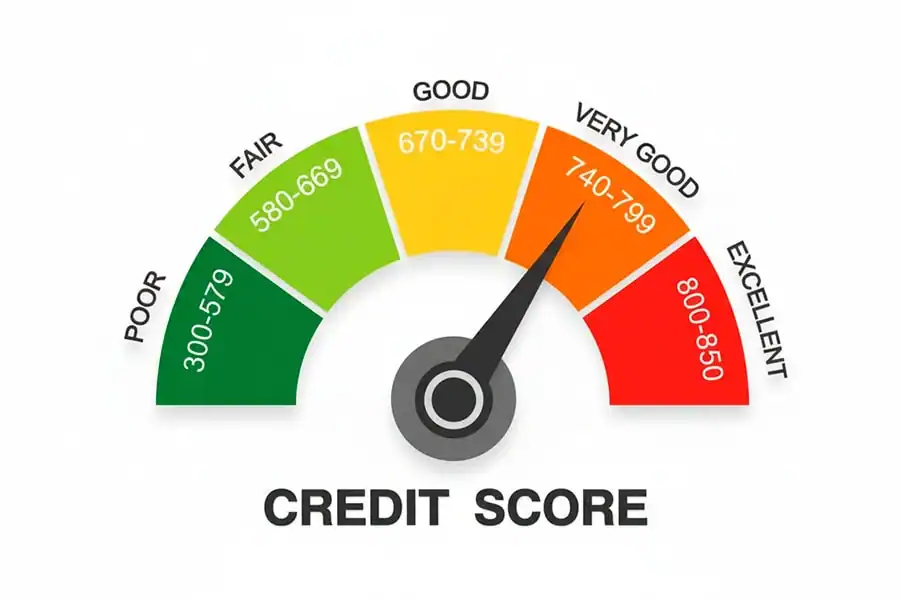
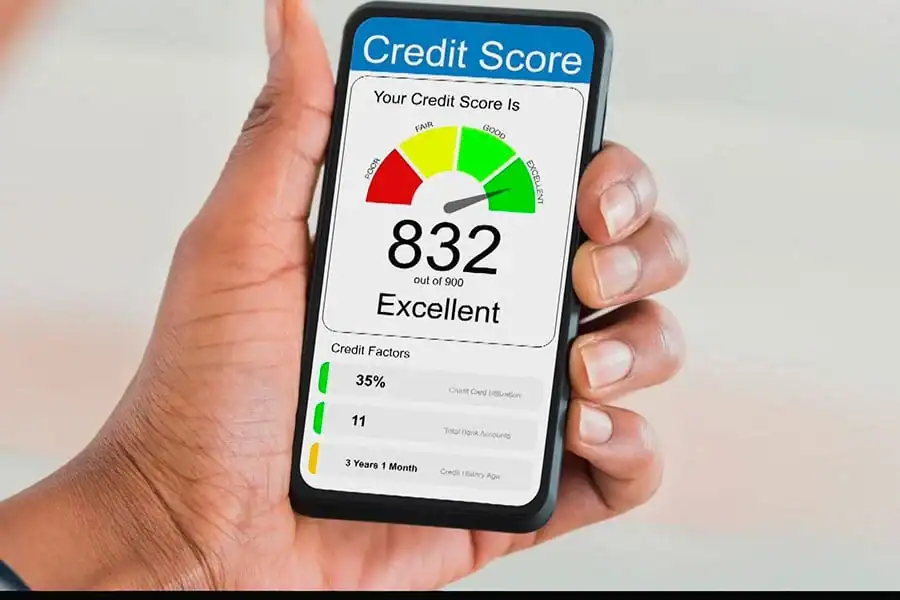
Your credit score and overall debt load shape both your timeline and your loan options. For example:

Credit Score & Borrower Profile vs. Pre-Approval Speed

Borrower Profile Credit Score Range Typical Pre-Approval Speed Notes for Tampa Buyers
W-2 Employee, steady job 680+ Same day – 1 business day Clean credit history and stable income often mean faster underwriting.
First-time buyer, FHA loan 580–639 1–3 business days FHA loans allow lower scores, but extra mortgage insurance checks can add a day.
Self-employed or 1099 income 640+ 3–5 business days Lenders often request extra documents like tax returns, business statements, and proof of assets.
High debt-to-income ratio Any 3–7 business days More time may be needed for underwriting, especially if credit card debt or student loans are high.
VA / USDA borrower 620+ 2–5 business days VA loans need a certificate of eligibility; USDA requires income + property checks.

Loan Officer & Bank Efficiency

A local loan officer in Tampa often moves faster than a big national bank, since they know how local real estate agents and sellers expect contracts to flow. Efficient communication shortens the pre-approval process and can give you an edge in negotiation when you make an offer on a property.

Loan Type Differences

Other Factors That Can Slow Things Down

How Tampa Buyers Can Speed Up the Process

Getting pre-approved doesn’t have to take a week. With preparation, many Tampa buyers can apply, get reviewed, and close on their pre-approval within just a day or two. Here’s how to keep things moving:

preapproval timeline tampa

Get Organized Before You Apply

Have your documents ready: recent pay stubs, tax returns, W-2s, bank statements, and details on your debt (like credit cards or car loans). A complete file allows the mortgage lender to start underwriting right away.

Check Your Credit Early

Review your credit history and credit score before you apply. Correct errors, pay down credit card balances, and avoid opening new lines of credit. A stronger score not only speeds up approval but may also qualify you for a better interest rate.

👉Limited credit history or a low score? See How to Improve Your Credit Score for Buying a House.

Respond Quickly to Your Loan Officer

Once you’ve submitted your mortgage loan application, answer any requests from your loan officer or estate agent immediately. Delays in providing updated information — such as proof of home insurance or an inspection report on a property — can add days to the process.

Avoid Major Financial Changes

During pre-approval, avoid taking on new debt or making large payments that affect your budget. Big purchases, like cars or furniture, or changes to your employment status, can trigger extra underwriting reviews.

Work With Local Experts

A Tampa mortgage broker knows how to match you with the right home loan program — whether that’s FHA loans, VA, USDA, or conventional loans — and can coordinate with your real estate agent to meet tight contract deadlines. That local coordination often means a faster close on your pre-approval letter and smoother negotiations when making an offer.

👉 See our mortgage pre-approval checklist

FAQs About Mortgage Pre-Approval in Tampa

How fast can I get pre-approved for a mortgage?

Some Tampa buyers receive a mortgage pre-approval the same day they apply, especially if their documents and credit score are strong. Most pre-approvals are ready within 1–3 business days.

How long does USDA pre-approval take?

USDA loans usually take longer than FHA loans or conventional mortgage loans because the lender must verify income, property eligibility, and sometimes even home insurance details. Expect 3–7 business days.

Can I be denied after pre-approval?

Yes. A pre-approval is based on the information you provided at the time of application. If your employment changes, you take on new debt (like a credit card balance or another loan), or your home inspection uncovers issues that affect insurance or price, the lender may need to adjust or even withdraw the pre-approval.

How long does a pre-approval letter last?

A pre-approval letter usually lasts 60–90 days. If your contract search takes longer, your mortgage lender may require updated documents, another credit check, or confirmation of your assets before extending it.

Does getting pre-approved affect my credit score?

Yes, but only slightly. Multiple loans or mortgage loan inquiries within a short window (usually 30 days) are treated as one credit pull. That means shopping with more than one bank or broker won’t hurt your score as long as it’s within that period.

Do I need mortgage insurance with pre-approval?

If you’re planning to use an FHA loan, you’ll have to budget for mortgage insurance. With a conventional home loan, you can avoid mortgage insurance by putting 20% down or refinancing once you build enough equity.

How does pre-approval help with negotiation?

A pre-approval letter shows sellers and real estate agents that you’re serious, qualified, and ready to close. In Tampa’s competitive real estate market, that letter can strengthen your negotiation position and help you lock in the best price for a property.

Why Work With a Local Tampa Mortgage Broker

When it comes to mortgage pre-approval, not all experiences are the same. Working with a local mortgage lender or broker gives you the speed and insight needed to move through underwriting, coordinate with your real estate agent, and close on time.

At Ebenezer Mortgage Solutions (NMLS #1912387), we:

Whether you’re a first-time buyer exploring FHA loans, a veteran using a VA benefit, or a homeowner considering refinancing or a line of credit, our goal is to make sure your mortgage loan fits your life and future.

👉 Schedule your Tampa mortgage consultation today or call us at (813) 284-4027 to start your journey toward homeownership with confidence.

MI Buster Eliminates Mortgage Insurance Without a 20% Down

MI Buster Eliminates Mortgage Insurance


Homebuying has just become more affordable with the MI Buster. One of the biggest concerns of homebuyers applying for home loans is having to pay a high amount of Mortgage Insurance (MI). So if you aim at avoiding mortgage insurance without having to put 20% down, read on to learn how this product can help you.


What is MI?


Mortgage insurance (MI) is a type of coverage that protects the lender in the event a borrower defaults on their mortgage. It is required if the borrowers are not able to make a 20% down payment. But with conventional loans, MI automatically cancels once you reach 78% of the property's original value.


Nonetheless, the cost of MI can be 0.45% to 1.05% of the loan amount, which you can either pay upfront or annually. But even if you're paying it for just a few years, your monthly payments can still become a bit pricey.

comprando casa en tampa

What is MI Buster?


MI can be expensive and a hassle to get rid of. But there is hope!


The (MI) Buster is a great mortgage product. It allows qualified borrowers to eliminate MI on purchases with a loan-to-value ratio of 80.01-89.99%.


It means that even if their down payment is as little as 10.01%, they wouldn't have to pay for the coverage. Additionally, this product applies to conventional purchase loans starting from $200K up to the county's loan limits.


Even if you want high-balance loans, there's the MI Buster High Balance product. This allows you to purchase houses that are beyond the conforming limits.


The Benefits


Other than not having to put a 20% down, what else can you get from the MI Buster? Here are other benefits of taking advantage of this product:


  • Increases Your Purchase Power. Since borrowers will spend less money upon purchase, that means they'll have more cash to purchase more home. Furthermore, they can spend the extra cash on buying furniture, repairing the utilities, adding another room, or renovating the kitchen.
  • You'll Have a Lower Monthly Payment. Without MI,  mortgage rates can drop from 3.75% to just 3.25%, allowing you to have more manageable monthly payments.
  • Increase Your Savings. Let's say you have a $200K loan amount. With a 1.05% MI, you'll be paying an additional $2100 every year. Now by avoiding mortgage insurance, you can save that amount and use it for something else.


Eligibility Requirements


Aiming for a 20% down can be challenging for most people. That's why products like MI Buster help borrowers eliminate MI with just 10.01% down. This product applies to conventional loans with 30-year fixed mortgage rates. It can also be used on both primary and secondary home purchases in the market.  Here are the other requirements needed to be eligible for this product:


  • 680+ FICO
  • LTV between 80.01 and 89.99%
  • Up to 45% DTI


Get Access to MI Buster


Dream homes are huge financial expenses up front, not to mention the high monthly payments. But this mortgage product might just be the solution you need.


MI Buster eliminates mortgage insurance even with a 10.01% down. This allows borrowers to use more of their finances for other things such as repairs or renovations. Moreover, since this product applies to conventional purchase loans, borrowers will be paying less on monthly payments and be able to save more in the long run.


Working with independent mortgage brokers can give you access to multiple mortgage programs and help you decide which one would suit you best so you can enjoy more reasonable rates. As your mortgage industry guide, your broker can also lessen the stress of homebuying by providing you with a more efficient process.


Mi Buster Eliminates Mortgage Insurance Without A 20% Down


Call Ebenezer Mortgage Solutions' mortgage brokers today at (813) 284 - 4027 so we can start working on your application.


6 Questions to Ask Your Mortgage Broker

There are many reasons why you would want to work with a mortgage broker. First, a mortgage broker can process the mortgage application for you—saving you a lot of time and effort. Then they can also shop around for home loan rates and terms and help you choose the one that suits you best.


However, there are numerous mortgage brokers out there. So it's only reasonable to make sure that you work with one that has your best interests at heart. Not only that, but they also need to be knowledgeable about what they do.


To help you choose the right mortgage broker, here are 6 questions you can ask them:


1. What kind of mortgage is right for me?


There are many different kinds of mortgages, all with different rates, terms, and requirements. The most common ones are:

  • Conventional Loan: Conventional loans are loans that are not guaranteed by the government, though they may be offered through government enterprises such as Fannie Mae or Freddie Mac. The minimum downpayment is 3% for first-time homebuyers and 5% for non-first-time buyers. Conventional loans usually have a fixed-rate interest. This means that your interest would stay the same throughout the life of the loan. However, your interest rate will depend on your credit score, with 620 as the lowest acceptable score.
  • FHA Loan: FHA loan is an excellent alternative for those having trouble qualifying for conventional loans. This type of mortgage is backed by the government, allowing it to provide a lower interest rate. The minimum credit score required for FHA loans is 500. But if your credit score is 580 or higher, you'll be allowed to provide a 3.5% down payment. If it's less than 580, then you'll have to put 10% down.
  • VA Loan: VA loan is guaranteed by the Department of Veterans Affairs. This type of mortgage is only available for military veterans and their relatives. VA loans are a lot stricter compared to other loan types. Its requirements include having a credit score of 580 or higher, having served 181 days during peacetime, served 90 days during wartime, or served 6+ years in the national guard or the reserves.
  • USDA Loan: USDA loan is a great choice for those who want to live in rural areas—although it must be a USDA-designated area. There is no down payment required, but your credit score should be 620 or higher. Moreover, your income should not be higher than 15% of the local median salary.


Although you can only choose one, you might be eligible for multiple mortgage types. A mortgage broker can help you understand your options and assist you in selecting the best one that suits your financial needs and situation.


2. How much money should I put down?


The ideal down payment amount is 20% of the purchase price. This amount would save you from paying mortgage insurance. But if you can't put 20% down, the amount you need to give will depend on the type of mortgage you have. With conventional loans, you'll need 3-5% down; FHA loans at least 3.5% down; and for both USDA and VA loans, you'll have the option of not paying a down payment at all.


3. Can I qualify for down payment assistance?


For those having trouble with providing a down payment, a Down Payment Assistance program might be an option for you. This program is great for first-time homebuyers, educators, civil servants, or those whose income is less than or equal to 140% of the state or county Average Median Income. For more information about down payment assistance requirements, visit this page.


4. What information do I need to provide?


Generally, the information that you need to provide for a mortgage application includes:

  • Proof of identification
  • Monthly income and household expenses
  • List of assets and debts
  • Bank statements
  • Income verification (e.g., 30 days worth of pay stubs, two years worth of W-2 forms)
  • Credit explanation for derogatory items on your credit history


For more information on the details needed for a mortgage application, please contact us at (813) 284 - 4027.


5. How much would buying a home would cost me?


Other than the down payment, there are other out-of-pocket expenses that you need to prepare for, including:

  • Earnest money
  • Home inspection
  • Escrow fee
  • Homeowners' Association transfer fee
  • Property tax
  • Owner's title insurance
  • Underwriting fee


6. How long will the mortgage application take?


Generally speaking, a mortgage application process can take from 14 to 60 days. However, this depends on certain factors, such as the time it takes to get pre-approved, looking for a home, and getting an appraisal or inspection.


Do you need more help?


If you have more questions about mortgages or need help in applying for one, Ebenezer Mortgage Solutions is ready to serve you. Call our mortgage broker today at (813) 284 - 4027, and let us help turn your dream home into a reality.


How to Find the Best Mortgage Deal


Since your home mortgage may be an important part of your life for 15 to 30 years, it is essential to find the best mortgage deal for your needs and financial situation.
So how can you ensure you get the best deal? Here are some practical tips:


Find Out How Much You Can Afford

Take advantage of the free mortgage calculators online to try out different interest rates and determine the monthly payments you can afford.

Shop Around

There are thousands of different mortgage deals on the market, all with various rates and fees. Getting quotes from several lending institutions gives you more options to find the best deal for you.

Choose the Right Term for You

A mortgage term can be fixed or variable. A fixed-rate mortgage means that you're going to pay the same interest rate throughout the life of the loan's term. And a variable mortgage rate fluctuates depending on the market condition. Choose the one that is right for you, depending on your financial situation.

Know All Hidden Costs

The down payment is not the only out-of-pocket cost that you have to prepare. Ask lenders to list all the fees that you are expected to pay upon closing, so there are no surprises.

Use a Mortgage Broker

Using a mortgage broker is probably the easiest way for you to find the best mortgage deal. When it comes to shopping around for lenders, mortgage brokers can do the legwork for you. Not only that, but they also have the skills to negotiate a better rate for you and the knowledge to help you decide which one to choose.

Get the best deals in Florida!

Simplify your mortgage search and get the best possible deal by calling Ebenezer Mortgage Solutions today at  (813) 284-4027.

Mortgage Broker vs. Direct Bank: Which One Is Right For You?

Are you thinking of getting a home mortgage or refinancing your current home loan?


Before, homebuyers and homeowners could only go to their banks for their mortgage needs. But now, you have more options with the emergence of mortgage brokers.


While both are good options, your best choice depends on your situation and needs. So in this video, we'll discuss the main differences between using a mortgage broker versus going directly to a bank.


Relationship


You may already have an ongoing relationship with your bank and consider them trustworthy. However, a good mortgage broker may be able to offer you options and personalized attention that your bank does not.


Choices


If you go to your bank, they are limited to offering only their own mortgage products. On the other hand, a mortgage broker works with numerous lenders and banks, allowing you to compare products and rates.


Focus


Both banks and mortgage brokers can provide information and suggestions on mortgages. However, a bank loan officer is more of a generalist since home mortgages are not a bank's sole focus. A mortgage broker, however, has specialized mortgage knowledge. They have access to and understanding of what different lenders offer and can even create a list showing mortgage products that suit your financial circumstances and needs.


Convenience


Applying for a loan requires a lot of paperwork. While your bank already has most of your financial information, they might still require you to visit their branch physically to submit other documents. With a mortgage broker, you can submit all the paperwork online, and they will process everything for you. This includes shopping around for the best deals and rates by applying to multiple lenders.
 

Do you have more questions about home mortgages?

Our licensed mortgage broker can help you explore all your mortgage options and answer any questions you have. Call us today at (813) 284-4027.

PMI vs. MIP


Private Mortgage Insurance (PMI) and Mortgage Insurance Premium (MIP) have the same purpose of protecting lenders against default or foreclosure. For lenders, a borrower providing  less than 20% down payment poses a higher risk of nonpayment. To offset this risk, lenders require mortgage insurance.


Although PMI and MIP have the same goal, they have significant differences.


PMI, or Private Mortgage Insurance, applies to conventional loans. The rate for PMI can range from 0.5% to 2% of the loan amount. This amount can be paid as a lump sum upon closing or incorporated into the monthly payments.


PMI automatically drops off when your mortgage balance reaches 78% of the purchase price or when you reach the midpoint of the amortization period. You can also request to cancel PMI once your equity in the home reaches 20%, assuming that you have a good payment history.


On the other hand, MIP or Mortgage Insurance Premium applies to FHA loans. MIP has two components: upfront premium (also known as UFMIP) and annual premium. UFMIP currently costs 1.75% of the loan amount and has to be paid upfront upon closing. The annual MIP is usually 0.85% on most FHA loans.


Unlike PMI, MIP does not automatically fall off. But there are two ways to get rid of it. One, you can request a cancellation when you have paid 5 years in a 30-year loan, and your loan balance is at or below 78%. Two, you can refinance to a different loan program once you reach 20% equity on the home.


Have more questions about home mortgages?


Don't hesitate to ask our mortgage broker. Call us today at (813) 284-4027.